Most People Don’t Even Know Where to Look
Most LinkedIn users believe the platform is passive.
It isn’t.
LinkedIn actively tracks how you use the platform, not just what you write on your profile. That usage data forms part of your digital footprint, and it directly influences how the algorithm treats you and how visible you become.
The problem?
Most people don’t even know this data exists.
The Analytics Section Everyone Ignores
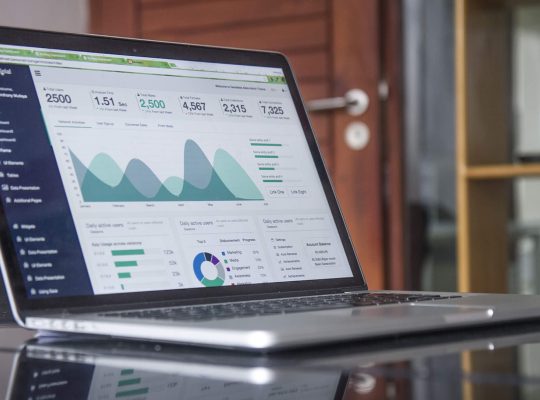
At the top of every profile sits the Analytics section.
It quietly records behavioural signals such as:
- Profile views and search appearances
- Content interaction and dwell time
- Posting frequency and engagement patterns
- Network response and visibility momentum
This is not vanity data. It is utilisation data.
LinkedIn uses it to determine:
- who gets shown,
- who gets suppressed,
- and who is quietly deprioritised.
Yet most clients never look at it. Worse, they do not understand that their daily behaviour is being assessed continuously.
LinkedIn Measures How You Use the Platform, Not Just What You Say
LinkedIn does not reward presence.
It rewards signal quality.
That means:
- random posting hurts more than it helps,
- passive scrolling creates no authority signal,
- generic comments dilute credibility,
- and inconsistent activity trains the algorithm to ignore you.
Your digital behaviour tells LinkedIn whether you are:
- a contributor,
- a consumer,
- or noise.
Most users accidentally position themselves as the last one.
This Is Why Strategy Matters
LinkedIn is not social media in the traditional sense.
It is a ranking system for professional relevance.
How often you engage, where you engage, what you engage with, and how consistently you do it all feeds the utilisation model behind the scenes.
Profiles that look identical on the surface can perform radically differently because:
- one user understands the system,
- the other is operating blind.
The Strategic Reality
If you are using LinkedIn for:
- job search,
- hiring visibility,
- authority positioning,
- client acquisition,
- or board-level credibility,
then how you use the platform matters as much as what is written on your profile.
Ignoring the analytics section does not make the data irrelevant.
It just means you are letting the platform judge you without understanding the rules.
Final Point
LinkedIn is not neutral.
It is constantly evaluating utilisation, behaviour, and signal strength.
Those who understand this gain visibility.
Those who do not slowly disappear — often without realising why.
This is why platform strategy is no longer optional.
It is part of professional risk management.