In today’s digital landscape, two concepts that often come up in recruitment and content creation are SEO (Search Engine Optimization) and data parsing. While they might seem unrelated at first glance, understanding their individual functions—and how they interact—can significantly enhance your recruitment strategy and overall online presence.
What is Data Parsing?
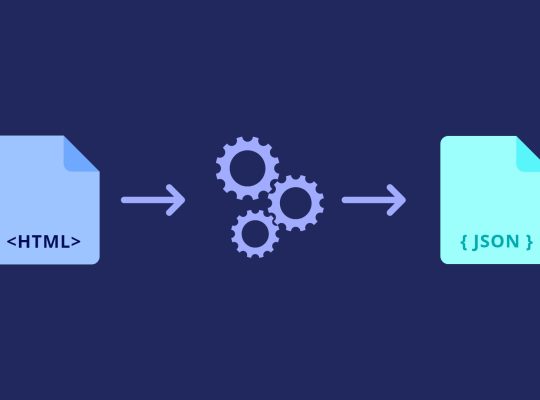
Data parsing is a method of transforming one format of data into another, making it more accessible and usable. Imagine receiving a CV in raw HTML format. A parser takes that HTML and converts it into a structured format that is easy to read and interpret. This process is crucial in recruitment when CVs are submitted via email and need to be stored in a corporate database.
For example, when a CV is emailed as an attachment, a recruiter may drag and drop that email into a recruitment management system. At this stage, parsing comes into play—converting the CV into a format that can be easily accessed, searched, and analyzed by hiring managers and recruiters. Historically, this function was often referred to as passing data, underscoring its role in the seamless flow of information within recruitment systems.
Parsing and SEO: Two Distinct Processes
While parsing and SEO might both utilize the same data, they serve fundamentally different purposes:
- Parsing is primarily about data organization. It ensures that the information extracted from CVs is structured in a way that can be easily analyzed and retrieved. In the context of recruitment, this means making it easier for hiring teams to find the right candidates based on specific criteria or keywords within their CVs.
- SEO, on the other hand, focuses on optimizing content for search engines. Its goal is to help search engines like Google understand your content and present it to users in response to their queries. An effective SEO strategy increases your website’s visibility, driving organic traffic and attracting the right audience.
The Importance of SEO in Recruitment
When it comes to recruitment, a well-optimized website can make a significant difference in attracting top talent. Here are some key aspects of SEO that can enhance your recruitment efforts:
- Boosting Organic Traffic: By implementing effective SEO practices, you can ensure that your job postings and company information appear high in search results. This means more candidates are likely to find and apply for your positions.
- Targeting the Right Personas: A robust SEO strategy allows you to tailor your content to specific audience segments. By using relevant keywords, you can attract candidates who possess the skills and experience your organization needs.
- Enhancing User Experience: SEO isn’t just about keywords; it’s also about user experience. A well-structured, easy-to-navigate website keeps candidates engaged and makes it easier for them to find relevant information about job openings and your company culture.
Keyword Optimization: Finding the Sweet Spot
One of the most debated topics in SEO is the ideal keyword density. Traditionally, many experts suggest repeating keywords 6 to 8 times within a document to optimize it for search engines. However, recent discussions have shifted this perspective. Based on years of experience writing SEO content, a keyword density of around 1-2% is often ideal. For a 1,000-word article, this means using your primary keyword about 10-20 times, with a preference for the lower end of this range to ensure natural readability.
It’s crucial to remember that effective SEO is not just about keyword frequency; it also involves using variations of your keywords, optimizing headings, and ensuring your content addresses the needs of your audience.
Bridging the Gap: How SEO and Parsing Interact in Recruitment
While parsing organizes candidate data for easy retrieval, SEO enhances the visibility of job postings and related content. Here’s how they work together in the recruitment process:
- Optimizing Job Descriptions: Well-crafted job descriptions that incorporate SEO best practices can improve visibility in search results, making it easier for potential candidates to discover open positions.
- Structured Data for Better SEO: Using structured data markup can enhance your job postings’ visibility in search engine results. This technique allows search engines to understand the context of your job listings better, improving the chances of attracting qualified candidates.
- Creating Content that Attracts Candidates: Regularly publishing blog posts, articles, or resources related to your industry can enhance your website’s SEO. This content can also be parsed by recruitment systems, enriching the data available for candidate searches.
Conclusion: The Power of SEO and Parsing in Recruitment
In conclusion, understanding the roles of SEO and data parsing in the recruitment process can significantly enhance your ability to attract and identify top talent. While parsing ensures that candidate information is organized and accessible, SEO drives organic traffic to your job postings and company website.
By optimizing your recruitment content and effectively utilizing parsing techniques, you can create a seamless experience for both candidates and recruiters. This dual approach not only elevates your recruitment strategy but also positions your organization as a leader in attracting the best talent available in today’s competitive job market.